Ladki Bahin Yojana: Eligibility, DBT Checks and a Clear Path to Your Application
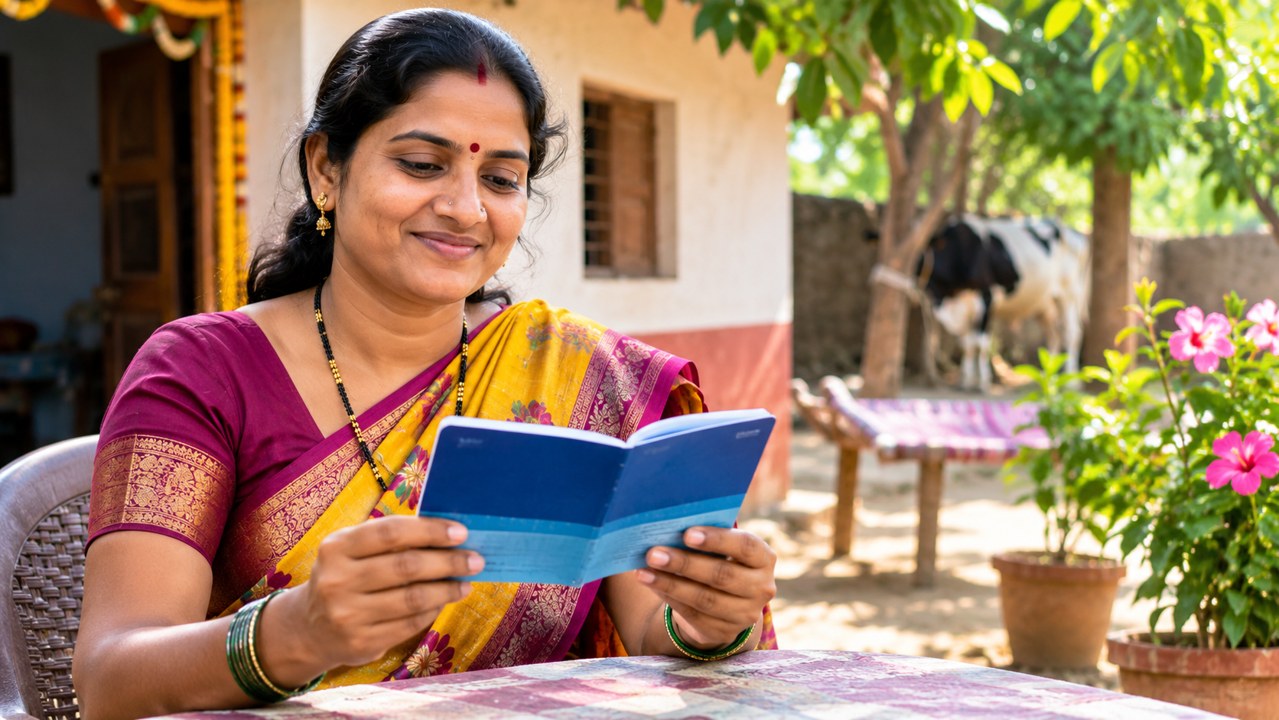
A welfare application becomes much easier when you know which details actually matter. For Maharashtra’s Ladki Bahin Yojana, that means checking eligibility first, preparing consistent records and understanding how a payment reaches your own bank account. A registration message alone does not answer all three questions.
This guide explains the scheme’s main features and offers a practical way to organise your next steps. It separates the advertised benefit from application approval and bank-credit confirmation, so you can ask the right question when something is pending. Information was checked on November 10, 2026; use current departmental notices for any new application window.
Ladki Bahin Yojana at a glance
The official Maharashtra scheme portal describes a monthly benefit of ₹1,500 through Direct Benefit Transfer for eligible women aged 21 to 65. It requires Maharashtra residence, annual family income not exceeding ₹2.5 lakh and the woman’s own Aadhaar-linked bank account. Covered categories include married, widowed, divorced, abandoned and destitute women, alongside one unmarried woman per family, subject to the complete rules.
| Item | What to check |
|---|---|
| Scheme | Mukhyamantri Majhi Ladki Bahin Yojana |
| State | Maharashtra |
| Published monthly benefit | ₹1,500 for an eligible beneficiary |
| Published age range | 21–65 years |
| Family income ceiling | ₹2.5 lakh annually |
| Payment requirement | Beneficiary’s own Aadhaar-linked bank account |
Read eligibility and exclusions together
Meeting the age and income conditions is the beginning of the eligibility check. Read the portal’s exclusion section as well. Household circumstances, government employment, taxation and benefits received elsewhere may affect how a case is assessed under the applicable rules. Do not copy another applicant’s declaration simply because she lives nearby or has a similar income.
Make a short household note before completing the form. Record the applicant’s full name, date of birth, marital category, address and the income information requested. If a question seems unclear, take that exact question to the designated local assistance point. A clear explanation before submission is more useful than trying to correct a declaration after verification has started.
Prepare records that tell the same story
Use the current official document list for your category. Keep identity, residence, banking and income-related records available, along with any category-specific evidence requested. The purpose is to support the information on the application, rather than to upload every document your family possesses.
Compare names carefully across records. Initials, an older surname, an incorrect birth year or a spelling difference can make verification harder to understand. Write down which record needs correction and approach its issuing authority. Editing the application to match an incorrect document can leave the underlying problem unresolved.
Keep clear scans with all corners visible. A photograph of a passbook should show the relevant name, account number and bank details without glare. Store your copies privately. Avoid sending a complete document collection to an unfamiliar person who promises faster approval over a messaging app.
Follow the official application route
Start with the Maharashtra scheme portal or the Women and Child Development Department’s official guidance. Confirm whether new applications, corrections or verification services are currently available. An older video showing a working registration button does not establish that the same facility remains open today.
When submitting through an authorised assistance point, review the completed information before it is finalised. Check the mobile number especially carefully because it may be needed for messages or authentication. Obtain the acknowledgement and preserve its reference number. Ask where you should check progress and which office handles a correction.
A practical application folder can contain the submitted form, acknowledgement, supporting documents and a dated note of any follow-up. This reduces repeated explanations if a different official handles the next visit. Keep original documents with you unless a clearly identified official process requires otherwise.
Application status and payment status are different
An application may be received, under verification, approved or returned for clarification. A bank payment can have a separate processing outcome. Read the exact wording shown on the official system before deciding what to do. A pending application usually needs a different enquiry from a transfer rejected by the bank.
If the record indicates approval but money is missing, compare the relevant payment period with your bank statement. Then ask the bank to confirm account activity and Aadhaar-based DBT readiness where applicable. Keep the transaction reference or rejection wording if available. These details help the department and bank identify which part of the process needs attention.
Avoid the most common follow-up mistakes
Do not submit duplicate applications merely because a payment has not appeared. First establish whether your original record exists and whether the issue concerns eligibility, verification or banking. Repeated submissions can make your own paperwork more confusing without resolving the original discrepancy.
Keep control of OTPs, PINs and passwords. A benefit enquiry does not require you to disclose a banking PIN or approve a collect-payment request. Treat a demand for money to release an instalment as a reason to stop and verify the request through the department’s official contact route.
Questions worth asking before you leave
Ask whether your application is complete, whether a correction is needed, and whether you should return with a particular document. If the answer is that verification is pending, ask which stage is pending rather than accepting an unspecified promise of immediate payment.
Ladki Bahin Yojana is most manageable when each stage has a clear record. Confirm your eligibility, use the official route, preserve the acknowledgement and check the bank separately when necessary. Those habits give you a stronger basis for resolving a problem than any unofficial prediction about the next payment date.
Related guide: Annapurna Yojana.
Related guide: Ladli Behna Yojana.
Official sources
Featured image: AI-generated illustration; people shown are not identified scheme beneficiaries.




2 comments