Ladli Behna Yojana: ₹1,500 Benefit, Samagra e-KYC and Payment Checks
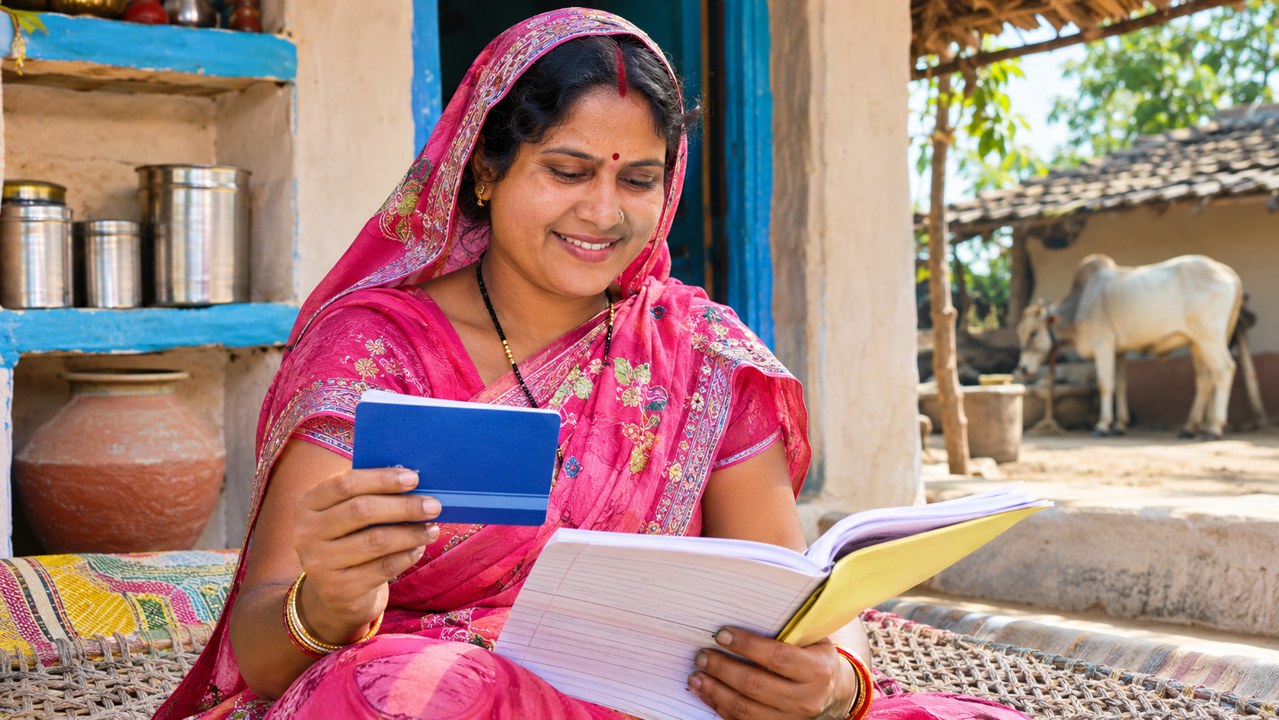
Ladli Behna Yojana is often discussed through the next instalment, but a successful enquiry starts with the beneficiary’s own record. Is the application verified? Do Samagra and Aadhaar details match? Has a transfer been attempted? These questions help identify the action actually needed.
This guide covers Madhya Pradesh’s scheme and its current official portal information, reviewed on November 10, 2026. It explains the main benefit, the role of Samagra e-KYC and a practical approach to application and payment follow-up. A date circulating in a video or forwarded message should not replace the official record.
What the official portal currently says
The scheme homepage and About page currently state assistance of ₹1,500 per month for eligible women. Some older FAQs and orders still show earlier amounts. Read a figure in its publication context, especially when an old document is shared as though it were a new announcement.
The portal lists Madhya Pradesh residence, covered married categories including widowed, divorced and abandoned women, and an age condition of at least twenty-one and below sixty on the specified January 1 qualifying date. It also publishes household exclusions that must be checked separately.
| Check | Why it matters |
|---|---|
| Current published benefit | Portal states ₹1,500 monthly |
| State | Madhya Pradesh |
| Age | Qualifying-date condition applies |
| Identity system | Individual and family Samagra details |
| Verification | Samagra–Aadhaar e-KYC |
| Payment | Applicant’s own Aadhaar-linked, DBT-enabled account |
Read the exclusions before preparing a form
The scheme’s rules include household income, tax, employment, land and vehicle-related exclusions, among others. For example, the portal identifies annual family income above ₹2.5 lakh as an exclusion. Use the complete current rules rather than a short checklist copied from another website.
If a declaration concerns the family, establish the scheme’s family definition. Do not assume that a relative is included or excluded merely because the household shares a kitchen or address. Ask the designated local office how the rule applies to the recorded family unit and keep the explanation with your application notes.
Why Samagra e-KYC matters
The official scheme explanation describes e-KYC as matching Aadhaar information with the Samagra record. Differences in name, date of birth or gender can require attention before the application proceeds. That identity match is separate from the bank arrangements needed for payment.
Before seeking help, compare your records and note the exact discrepancy. A question such as “the birth year differs between these two records” is easier to resolve than “my KYC is not working.” Follow the prescribed correction process for the relevant record and preserve its acknowledgement.
Prepare the essential information
Keep individual and family Samagra identifiers, Aadhaar information, the applicant’s bank details and a usable mobile number available. Check the official instructions for any additional information applicable to the current application round. Preparation helps, but it does not mean a new round is necessarily open.
Avoid handing over a bundle of documents without reviewing what is entered. Confirm spelling, family details and contact information before submission. If an assistance point completes the online entry, ask to see the final information and obtain the application receipt. Keep the reference number somewhere you can find without relying on the operator’s phone.
Use the announced application mechanism
The official implementation page describes forms and assisted online entry through camps, gram panchayat or ward arrangements, with an acknowledgement provided after entry. Confirm the currently authorised arrangements locally. Do not assume that a public status facility is also an unrestricted new-registration form.
The application process has verification and list-related stages. Ask which stage your record has reached and whether an objection or correction route is relevant. Keep each response dated. If a form is returned, address the stated issue rather than resubmitting the same information unchanged.
Check payment problems in the right order
First confirm whether the beneficiary record is approved for the period in question. Next check the official application and payment facility. Finally compare any transfer information with the bank statement. These steps distinguish an administrative delay from a failed or returned bank transaction.
If banking is the issue, ask the branch about the account’s activity and Aadhaar-based DBT readiness. Take the specific rejection wording or transaction reference where available. A generic statement that Aadhaar is linked may not answer every question about the destination of an Aadhaar-based transfer.
Keep a copy of the relevant statement entry or the period showing no credit. Do not share the full statement publicly. For a first enquiry, the office usually needs enough information to locate the case, not your entire banking history displayed in a social-media thread.
Handle older information carefully
The portal contains historical material reflecting previous benefit amounts. Those documents can help explain the scheme’s development, but they should not be presented as current payment instructions without context. The same principle applies to older registration dates and archived eligibility examples.
If two official pages appear inconsistent, seek the latest applicable order or a written clarification from the responsible department. For an individual case, ask how the current rule is being applied to that record. Do not make a new financial commitment based solely on an anticipated instalment.
Practical questions for your next enquiry
Ask whether e-KYC is complete, whether the application needs action and whether payment has been processed for the relevant month. If the answer identifies a problem, request the correction route and the documents needed. Keep the response with the original acknowledgement.
Ladli Behna follow-up becomes clearer when identity verification, eligibility and banking are checked separately. Maintain consistent records, use official channels and focus on the exact pending stage. That approach gives you a useful next step even when an online payment prediction turns out to be unreliable.
Related guide: Ladki Bahin Yojana.
Related guide: Mahtari Vandana Yojana.
Official sources
Featured image: AI-generated illustration; people shown are not identified scheme beneficiaries.




Post Comment