India vs New Zealand 5th ODI: India Win by 22 Runs to Seal Series 3–1
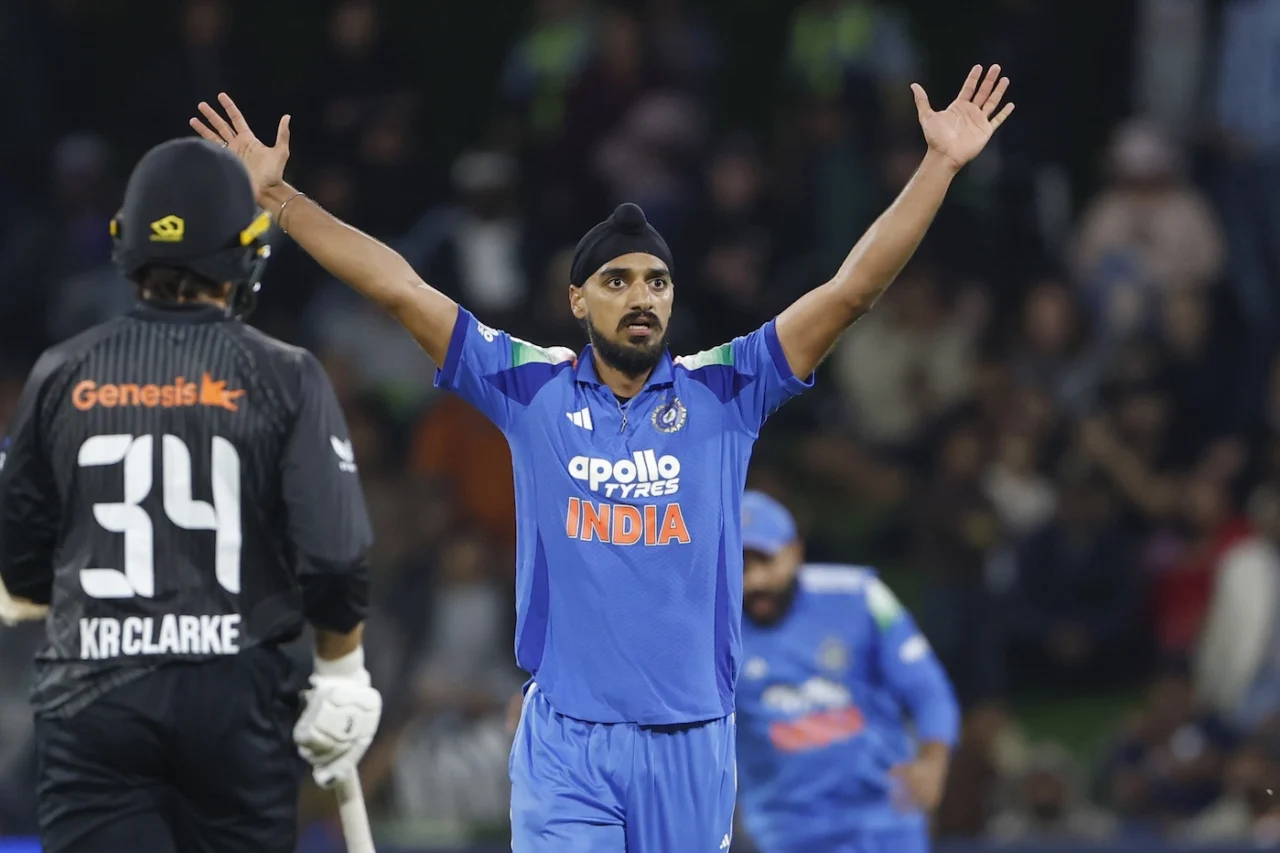
India defended 209 to beat New Zealand by 22 runs in the fifth ODI at Bay Oval, Mount Maunganui, on 15 November 2026. This match report in our HilluBhai news updates covers the batting recovery, Arshdeep Singh’s bowling and the final series result.
Photo credit: BCCI.
IND vs NZ fifth ODI: final scores
| Team | Total | Overs |
|---|---|---|
| India | 209 all out | 42.1 |
| New Zealand | 187 all out | 48.1 |
| Result | India won by 22 runs | Series: India 3–1 |
New Zealand won the toss and chose to field. India’s innings ended well before the full 50 overs, but the visitors still found enough runs to create a competitive chase in helpful bowling conditions.
Axar Patel and Ishan Kishan repair the innings
Both Axar and Ishan scored 46, providing the main resistance after India’s early wickets. Mitchell Santner took 3/47 and Jacob Duffy 3/60 for New Zealand, according to the published match account.
The recovery mattered because a low total can become difficult to defend when the opposition keeps wickets in hand. India gave their bowlers a target that demanded discipline from the hosts rather than allowing an uncomplicated chase.
Arshdeep leads the response
Arshdeep returned 3/30 from ten overs and was named Player of the Match. His wickets included Will Young, Nick Kelly and Kristian Clarke. Dean Foxcroft’s 31 was New Zealand’s highest score as the innings lost momentum.
| Player | Key contribution |
|---|---|
| Axar Patel | 46 runs |
| Ishan Kishan | 46 runs |
| Arshdeep Singh | 3/30; Player of the Match |
| Mitchell Santner | 3/47 |
| Jacob Duffy | 3/60 |
Why the 22-run margin matters
This was a successful defence rather than a chase completed by India. The difference between the two final totals is 22 runs, while the target New Zealand needed was 210. Keeping those figures separate makes the result easier to understand.
The outcome also closed the ODI series at 3–1. A series score counts completed results; it need not add up to the advertised number of matches when a game has no result. Here, the third ODI had been washed out.
What comes next?
Reuters reported that the teams move to a two-Test series beginning on 19 November. That is the next format on the tour, rather than an additional sixth ODI.
The fifth ODI’s main story was India’s ability to recover from a modest batting return and then apply sustained bowling pressure. The scorecard shows a collective defence, with Arshdeep’s ten-over spell the standout individual contribution.
Reading the innings beyond the final total
India being dismissed in 42.1 overs means the side did not use its entire allocation. In cricket notation, 42.1 represents 42 completed overs and one ball, rather than a decimal fraction of an over. New Zealand’s 48.1 has the same meaning. The hosts therefore had deliveries remaining when their final wicket fell.
That detail helps explain the kind of contest this became. Neither team needed an extraordinary scoring rate to reach the other’s total. Keeping the innings alive and avoiding clusters of wickets mattered more than chasing a huge run rate. A relatively modest target can still be demanding when bowlers maintain pressure and batting conditions punish mistakes.
What the bowling figures tell us
Arshdeep’s 3/30 records three wickets conceded for 30 runs. Across ten overs, that is an economy rate of three runs per over. A spell can influence a chase in two connected ways: removing batters and limiting the runs available to those who remain. His return combined both.
The New Zealand figures also deserve attention. Santner and Duffy each took three wickets in India’s innings, so the eventual defeat should not obscure the work that restricted the visitors. A result report can recognise a strong losing-side performance while explaining why the defending team ultimately finished ahead.
What this report includes—and how to use it
The tables collect the verified final totals and the leading contributions identified in the match reports. They are useful for quickly checking the result, while the surrounding text explains the sequence at innings level. They do not attempt to recreate every delivery or supply an invented turning-point over.
For supporters comparing this result with another match, check the venue and date as well as the team names. Several India–New Zealand games occur during the same tour, and an earlier result can remain prominent in search results after the next match is complete. The date attached to this report is essential to understanding which game the scores describe.
The Test series will pose a different set of questions from this ODI finish. The confirmed takeaway from Bay Oval is narrower and clear: India successfully defended 209 and closed the five-match ODI contest with a 3–1 series win.
Reporting sources: BCCI and ICC match-centre result; The New Indian Express match report, 15 November; Reuters series report. Highlights here are a written recap, not embedded broadcast video.





Post Comment