Lakshya Sen Wins Kumamoto Masters Japan 2026 After Three-Game Comeback
Lakshya Sen won the Kumamoto Masters Japan men’s singles title on 15 November, recovering from a game down to beat Japan’s Koki Watanabe. This update in our HilluBhai news updates covers the final score, the turnaround and what the title means for his late-season campaign.
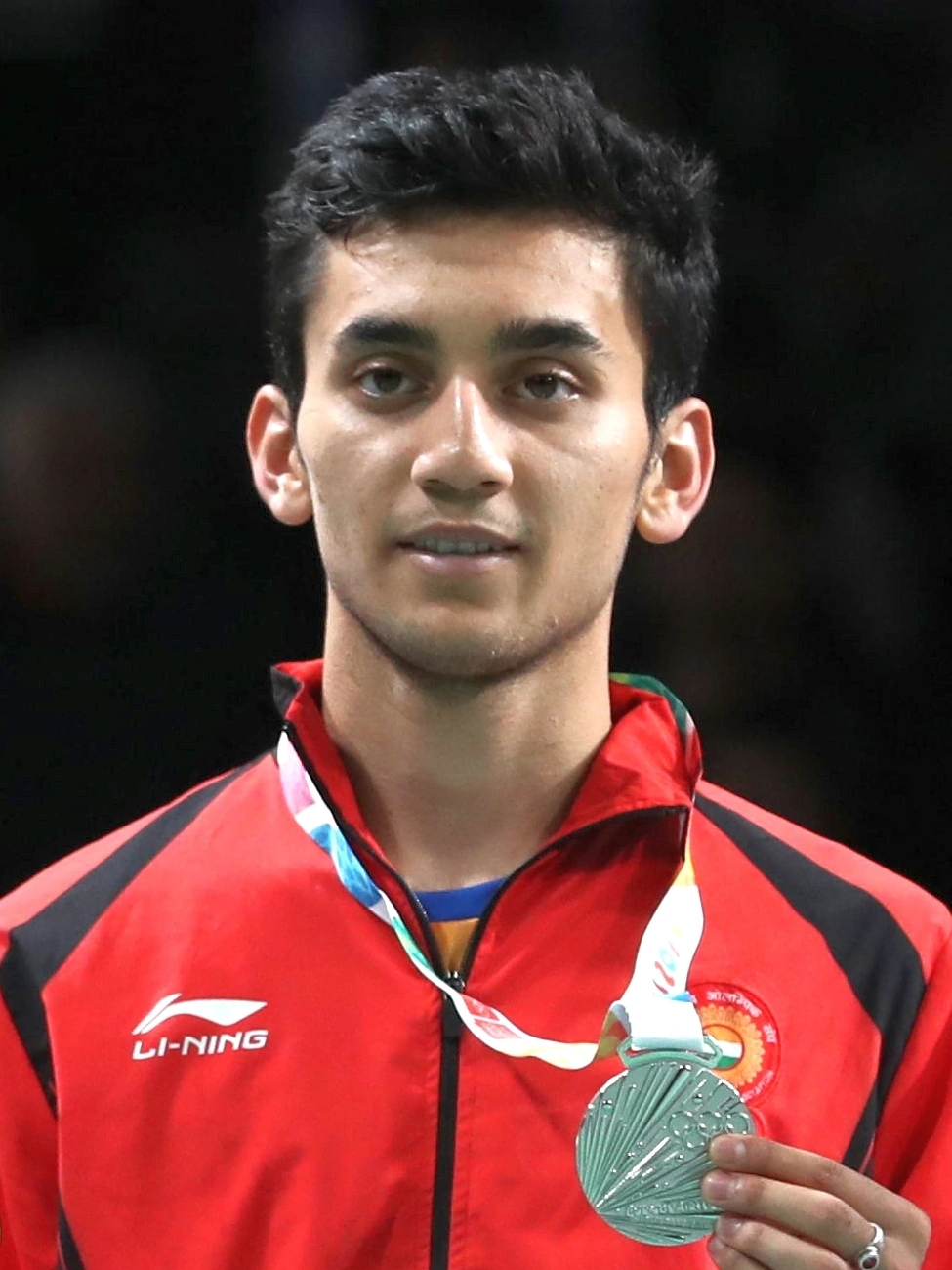
Archive photograph: Lakshya Sen at the 2018 Youth Olympic Games victory ceremony, not the Kumamoto 2026 final. Photo: Sandro Halank / Wikimedia Commons, CC BY-SA 4.0. Source: commons.wikimedia.org/wiki/File:Lakshya_Sen_in_2018.jpg. Licence: creativecommons.org/licenses/by-sa/4.0/. Resized and converted to WebP; this photo version remains under the same licence.
Lakshya Sen vs Koki Watanabe: final score
| Game | Lakshya Sen | Koki Watanabe |
|---|---|---|
| First | 13 | 21 |
| Second | 21 | 18 |
| Third | 21 | 14 |
The 13–21, 21–18, 21–14 result gave Sen the title in Kumamoto. The final required a reset after the opening game rather than a straightforward win in two games.
How the match turned
Watanabe won the first game decisively, but Sen took the closer second game and then won the decider by seven points. The score progression shows both the pressure of the middle stage and the stronger finish from the Indian player.
A three-game badminton final can change character quickly. The first game sets an early pattern, yet the second can force a fresh contest. Here, Sen prevented the opening loss from becoming the result of the match.
Another title in a strong November run
The Indian Express identified the victory as his second successive title after the Hylo Open. Akashvani also confirmed the Kumamoto win and the final opponent.
Back-to-back titles give a clearer picture of recent form than one isolated result. They show an ability to carry a successful tournament into another week of competition, even when the next final begins badly.
What about the World Tour Finals race?
Reports connect the victory with Sen’s push for the season-ending World Tour Finals. A title improves his position in that race, but this article does not treat a projected ranking or qualification scenario as final confirmation from the governing body.
Readers following qualification should distinguish the ordinary world ranking from the specific race standings used for the Finals. They measure different periods and should not be used interchangeably.
What is confirmed now?
The completed result is a Kumamoto Masters Japan title for Lakshya Sen, secured in three games against Koki Watanabe on 15 November. Subsequent entries, draws and match times require their own tournament announcements.
The featured photograph is an older image of Sen at a Youth Olympic victory ceremony. It identifies the player but does not depict the Kumamoto final or its trophy presentation.
Understanding the three-game scoreline
Badminton match scores are listed from the named player’s perspective. Sen’s 13–21 opening game is therefore a loss, followed by wins at 21–18 and 21–14. Reading the result in that order explains why the final is described as a comeback rather than simply as a victory.
The gaps also tell different parts of the story. Watanabe led the opening game by eight points at its conclusion. The second ended with a three-point margin for Sen, making it the closest of the completed games. The deciding game then finished with a wider advantage for the Indian player.
What a scorecard can and cannot explain
A scorecard confirms the outcome and the sequence of games, but it cannot on its own establish every tactical reason for a change. Shot choice, court conditions and decisions during rallies require observation and reporting. This article does not invent conversations between player and coach or assign an unverified injury explanation to the result.
That distinction is useful when watching short highlight clips. A dramatic rally can illustrate a player’s skill, while the match result reflects many rallies across the whole contest. One memorable return should not be treated as a complete account of why a final was won.
Recent form versus a longer-term assessment
Successive tournament wins are a strong recent sequence, yet form is measured over different periods for different purposes. A supporter can recognise the quality of this run without assuming that every later match will follow the same pattern. Draws, opponents and the demands of another tournament can create a fresh challenge.
The same care applies to rankings. A news report may discuss a projected position after a result, while an official list is updated on its own schedule. Use the date and the name of the ranking table when comparing figures from different reports.
A quick guide for following the next event
Check the tournament name first, then the entry list and draw, and finally the scheduled court and match order. A player being entered is different from a confirmed starting time, and a match order can change as earlier contests finish. Local time zones also matter for fans watching from India.
For this completed final, no such uncertainty remains about the winner. Sen recovered from the opening setback, won the final two games and added Kumamoto to his successful November campaign. That is the achievement the result and game-by-game table establish.
Reporting sources: Akashvani title report, 15 November 2026; The Indian Express Kumamoto final report; The New Indian Express account of Sen’s recent title run.




Post Comment