Subhadra Yojana: Your Guide to Eligibility, Instalments and DBT Readiness
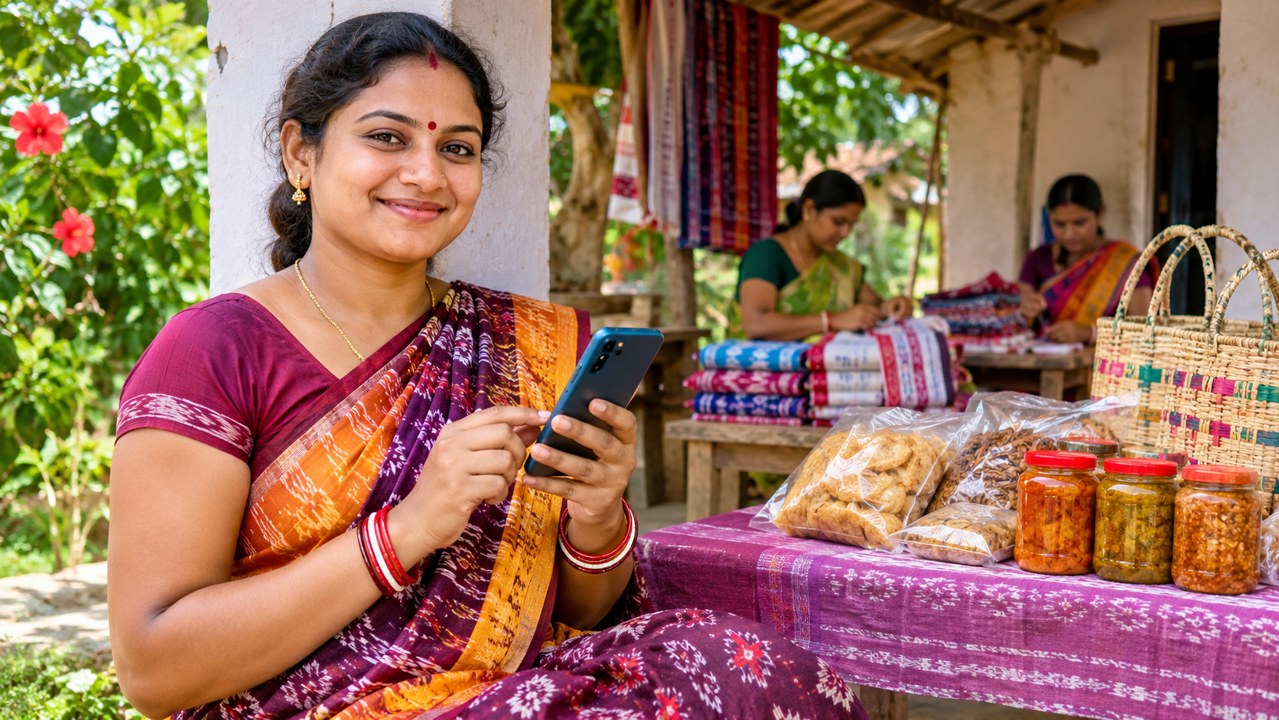
For women looking into Odisha’s Subhadra Yojana, the headline benefit is only part of the story. The more useful starting point is understanding the eligibility conditions, the application record and the bank arrangements needed for a transfer. A few checks before submission can make later follow-up much clearer.
This guide explains the programme’s published structure and shows how to prepare an organised application enquiry. It does not promise approval or an immediate credit. Information was reviewed on November 10, 2026; current official notices should be checked for registration periods, verification instructions and any changes affecting a particular financial year.
Subhadra Yojana at a glance
Odisha’s Women and Child Development Department describes assistance of ₹50,000 over five years, with an annual entitlement of ₹10,000 paid in two instalments. Its overview identifies International Women’s Day and Rakhi Purnima as the scheduled occasions. Eligibility for particular years and actual processing still matter; the five-year headline is not an automatic lump-sum payment to every new applicant.
The guidelines describe eligible women as Odisha residents aged at least 21 and below 60 on the relevant qualifying date. Food-security coverage and, for families without that coverage, an income condition form part of the screening. Other exclusions also apply.
| Item | Published framework |
|---|---|
| State | Odisha |
| Annual entitlement | ₹10,000 for an eligible beneficiary |
| Instalment structure | Two payments in the annual framework |
| Five-year headline | ₹50,000, subject to eligibility over the period |
| Age check | At least 21 and below 60 on the applicable date |
| Bank requirement | Aadhaar-seeded, DBT-enabled account |
Use the correct qualifying date
Age-based eligibility is not always the same as your age on the day you read an article. The guidelines specify a qualifying date and explain how women entering or leaving the eligible age range are treated. Read the current financial-year instructions before deciding that the full five-year amount applies to your case.
Keep a copy of the birth-date record used for verification. If the date on Aadhaar is incorrect, seek guidance about correcting the underlying record. Avoid selecting a different birth date in the application just to fit an age band. A discrepancy can create questions even when the applicant otherwise appears eligible.
Check household conditions and exclusions
The guidelines include exclusions involving substantial assistance under other government programmes, taxation, certain employment or pension categories and specified household circumstances. Do not judge eligibility from age alone. Two women of the same age may have different outcomes because their household records differ.
Read each declaration in full. If the form asks about a family member, answer for the definition used by the scheme rather than assuming that only the applicant’s personal income counts. Write down any unclear category and ask the designated assistance centre to explain it before submission.
Prepare an application folder
Use the official document checklist and keep identity, residence, food-security or income information, bank details and the necessary mobile number available. Include only the evidence required for your circumstances. A complete, readable set is more useful than an untidy collection of unrelated scans.
Compare the applicant’s name across records, including spelling, initials and surname. Check that the bank information belongs to the applicant and that the mobile number will remain accessible. Save copies privately with clear filenames so you can locate the correct document when an official asks for clarification.
If someone helps fill the form, sit with them while the details are reviewed. Confirm that the declaration reflects your circumstances. Ask for the acknowledgement and application reference immediately after submission. Keeping control of those records is especially helpful when the person who assisted is unavailable later.
Understand DBT readiness
A bank account being open does not answer every question about an Aadhaar-based benefit transfer. The programme’s overview specifically refers to Aadhaar-seeded and DBT-enabled accounts. Ask the bank to confirm the relevant settings for your own account instead of relying solely on the presence of an Aadhaar photocopy in an old file.
For follow-up, separate an application problem from a bank problem. If the record is still under verification, the department must clarify that stage. If a transfer was attempted and returned, ask for the rejection reason and take it to the bank. That distinction can save repeated visits to the wrong counter.
Check status with a purpose
Begin on the official Subhadra portal and use the currently available citizen facility. Read the exact wording of the result. Keep a dated note of the status and any instruction to provide more information. A screenshot can be useful, but keep personal identifiers out of any image you share publicly.
Do not submit a second application simply because the first result is taking time. First ask whether the original record exists, whether verification is complete and whether any response is required from you. If a correction is needed, use the prescribed route and retain its acknowledgement alongside the original submission.
Common questions about instalments
Does the announced schedule guarantee a credit on a specific day for every applicant? No individual credit should be assumed without checking the beneficiary record and bank statement. Is the five-year total payable at once? The published structure is annual assistance in two instalments, with eligibility conditions applying.
Can another state’s women’s scheme be used to establish Odisha eligibility? No. Similar programmes have their own residence, age and household rules. Comparisons are useful for understanding policy, but they cannot replace the Subhadra guidelines.
The clearest path is to confirm eligibility, keep consistent records and follow the official status process. If a payment issue arises, carry the application reference, relevant payment period and bank evidence. A specific, documented question gives the responsible office a much better starting point than a general complaint that the money has not arrived.
Related guide: Annapurna Yojana.
Related guide: Mahtari Vandana Yojana.
Official sources
- Odisha Women and Child Development overview
- Official Subhadra portal
- Odisha public-information guidelines
Featured image: AI-generated illustration; people shown are not identified scheme beneficiaries.




2 comments